All Categories
Featured
Table of Contents
Screen use patterns and set thresholds for notifies when costs approach predefined limitations. Frequently, cloud spending plans swell due to ineffective capacity planning. Carefully plan for capacity by tracking demand patterns and aligning them with service scaling. This can avoid over-provisioning or under-utilization of resources. Benefit from long-lasting discount schemes used by cloud suppliers.
Ensure that auto-scaling settings are carefully tuned to manage need variations accurately, thus eliminating excessive production headroom. Routine evaluations of your cloud architecture and code can help identify ineffectiveness that may result in unnecessary resource consumption. Continually improve these elements for better efficiency and cost-effectiveness. Before embracing any cloud service, have a distinct understanding of your organizational requirements.
How to Optimize Infrastructure ROI With Advanced MetricsThoroughly review licensing agreements and synchronize them with your functional schedules to avoid resource wastage. Buy systems that allow you to track need with time, facilitating proactive management of resource scaling. By executing these techniques, organizations can efficiently manage cloud costs, making sure that financial investments yield expected returns without monetary surprises.
Why IT Control Remains Essential for 2026 ROI
Transitioning these systems to the cloud can be risky if not dealt with thoroughly. Cloud Service Providers (CSPs) might not have the essential innovation to flawlessly support older systems, particularly in direct lift-and-shift situations.
Existing IT staff may do not have the necessary proficiency in cloud innovations, causing possible missteps. A detailed understanding of system reliances is frequently missing, increasing the risk of disturbances during migration. The risk of information loss due to transmission failures, software or hardware concerns, and human errors remains a significant issue.
Evaluate the pros and cons of various migration options such as lift-and-shift versus rearchitecting, customized to your specific needs. Carry out training programs and staffing strategies to bridge the skills space within your IT workforce. Develop a formal setup management process to capture company services and dependencies, making sure a smooth shift.
Make sure data adhere to retention policies to prevent loss. Perform due diligence to ensure all celebrations plainly comprehend accountabilities and agreement terms to prevent future conflicts. Decide efficiently on how to handle existing assetswhether through retirement, devaluation, or moving ownership. If cost savings drive cloud migration, verify how the move affects the monetary balance sheet in the existing truth.
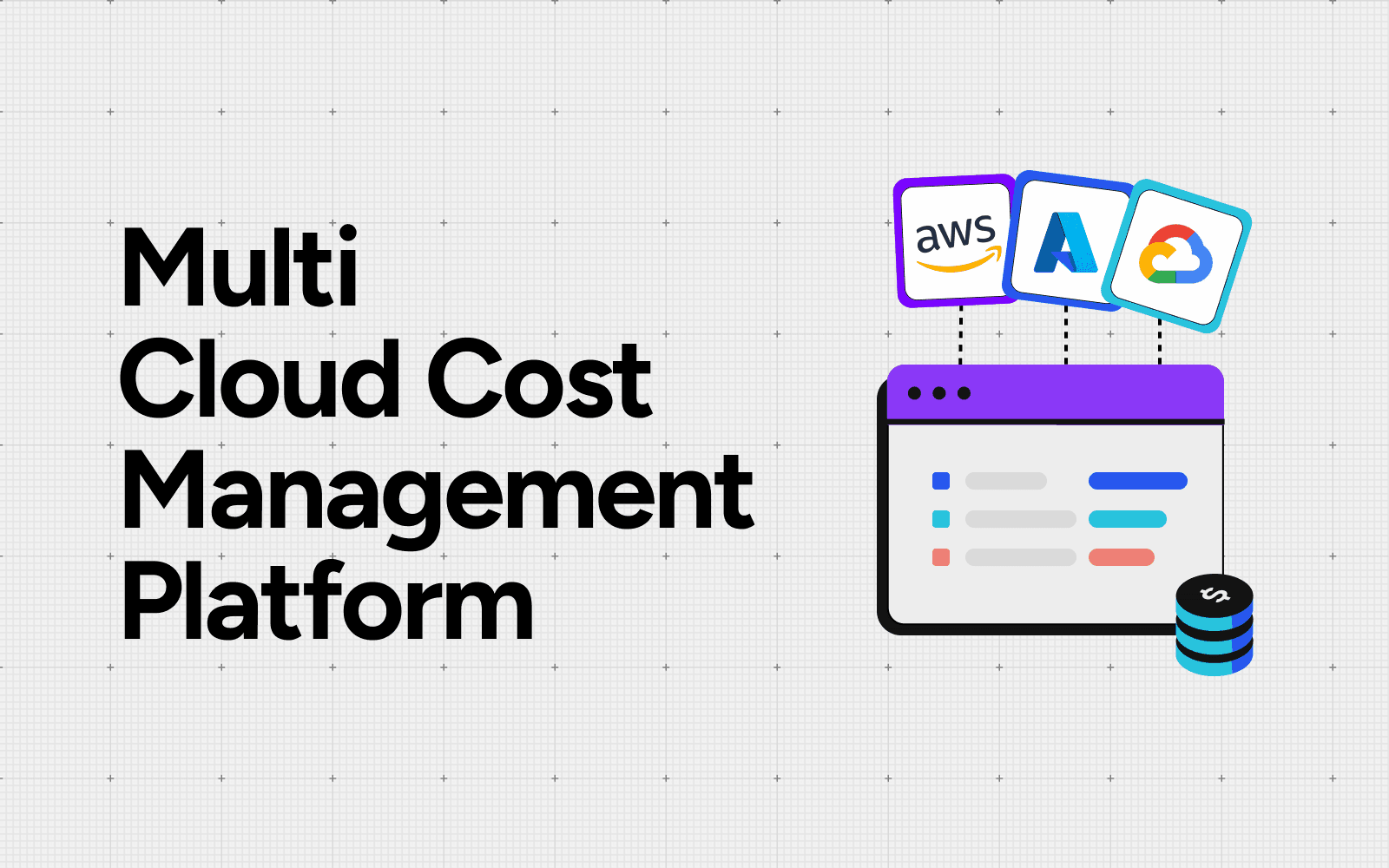
Leveraging Performance KPIs to Improve Cloud ROI
In most cases, security occurrences might go unnoticed or unreportedmaking proactive management a difficulty. To resolve this, it's essential to implement options that supply clear, real-time insights into your cloud security environment. Most major cloud providers use native Cloud Security Posture Management (CSPM) tools, providing features such as informs for unapproved information access, suspicious account activity, and other cyber risks.
For companies running in hybrid or multi-cloud environments, consider the following strategies: Take advantage of specialized third-party services created to supply unified exposure throughout all your environmentsnot just within a single provider. Integrate your security tools so you can discover, investigate, and react to security incidents from a single control panel, no matter where they originate.
By adopting an extensive and integrated technique, organizations can preserve robust presence over their security posture, no matter how complicated their cloud footprint becomes.: Gain complete oversight of your cloud community by leveraging a security platform that incorporates both agent-based and agentless tracking. This double approach enables companies to keep track of all assetswhether or not software representatives can be deployedthrough a single, streamlined interface.
: Try to find services that provide holistic presence into work, setups, and gain access to habits throughout your cloud facilities. This empowers you to recognize blind areas, respond quickly to occurrences, and keep a consistent security posture regardless of where your possessions residepublic cloud, private cloud, or hybrid setups. By consolidating exposure and management, organizations can simplify security procedures, decrease operational overhead, and much better guarantee that their entire cloud estate stays safeguarded and well-governed.
In a lot of cases, security occurrences may go undetected or unreportedmaking proactive management a challenge. To resolve this, it is essential to implement solutions that offer clear, real-time insights into your cloud security environment. Most significant cloud companies provide native Cloud Security Posture Management (CSPM) tools, providing functions such as alerts for unapproved information access, suspicious account activity, and other cyber hazards.
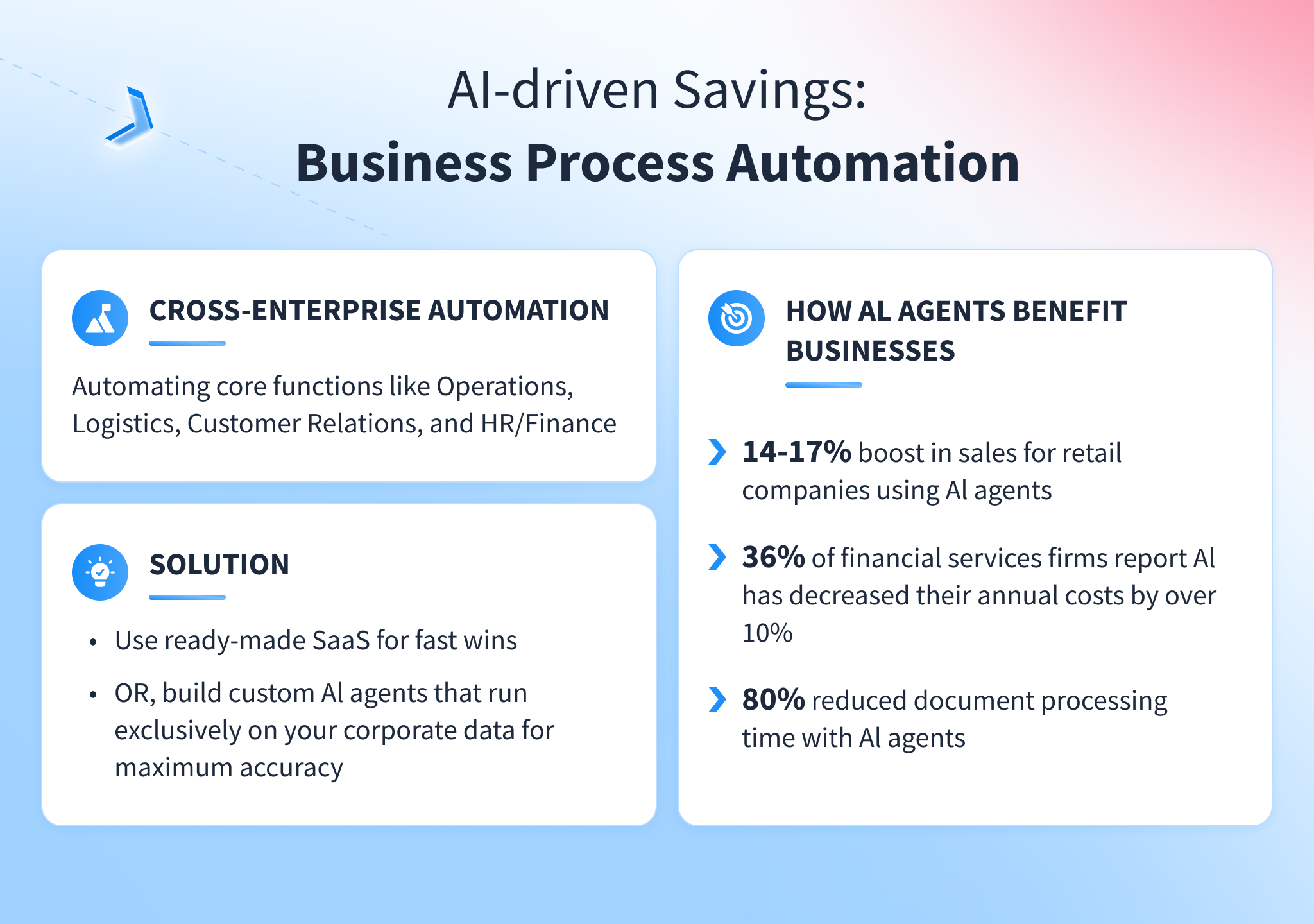
Analyzing Modern Vs. Legacy Cloud Cost Governance
For organizations operating in hybrid or multi-cloud environments, consider the following strategies: Leverage specialized third-party options designed to supply unified presence throughout all your environmentsnot simply within a single company. Integrate your security tools so you can detect, examine, and react to security events from a single control panel, regardless of where they originate.
By adopting a thorough and integrated approach, companies can maintain robust presence over their security posture, no matter how intricate their cloud footprint becomes.: Gain full oversight of your cloud ecosystem by leveraging a security platform that incorporates both agent-based and agentless monitoring. This dual technique permits companies to keep track of all assetswhether or not software representatives can be deployedthrough a single, streamlined user interface.
: Try to find solutions that offer holistic exposure into work, configurations, and gain access to behaviors throughout your cloud infrastructure. This empowers you to determine blind spots, respond promptly to occurrences, and preserve a constant security posture regardless of where your possessions residepublic cloud, private cloud, or hybrid setups. By consolidating exposure and management, organizations can streamline security processes, decrease operational overhead, and better ensure that their entire cloud estate stays secured and well-governed.

Latest Posts
Maximizing IT Efficiency Metrics Via Advanced Governance
Effective Steps for Optimizing Infrastructure Spend in 2026
Top Tips for Efficient Asset Governance in 2026